
Kant Stop Thinking
Asher
Browse by Branch
- Asher's Favorite Posts (5)
- Epistemology (9)
- Ethics (15)
- Logic (5)
- Metaphysics (27)
- Noah's Favorite Posts (2)
- Theology (11)
-
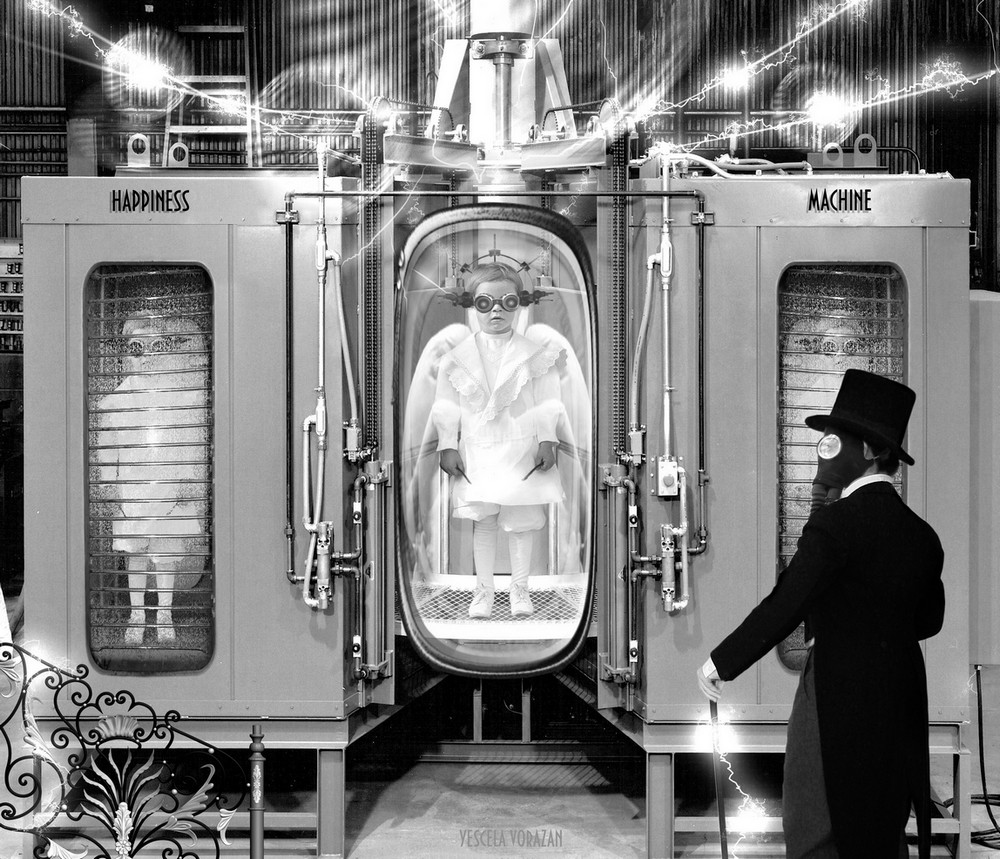
[Featured] Nozick’s Experience Machine: Is Pleasure the Only Good?
The Experience Machine, a thought experiment developed in 1974 by philosopher Richard Nozick, asks us a very simple question. If there was a machine that could simulate a reality that is perfect in every way, would you jump in? For the sake of the question, assume that this perfect reality molds to each person and
-
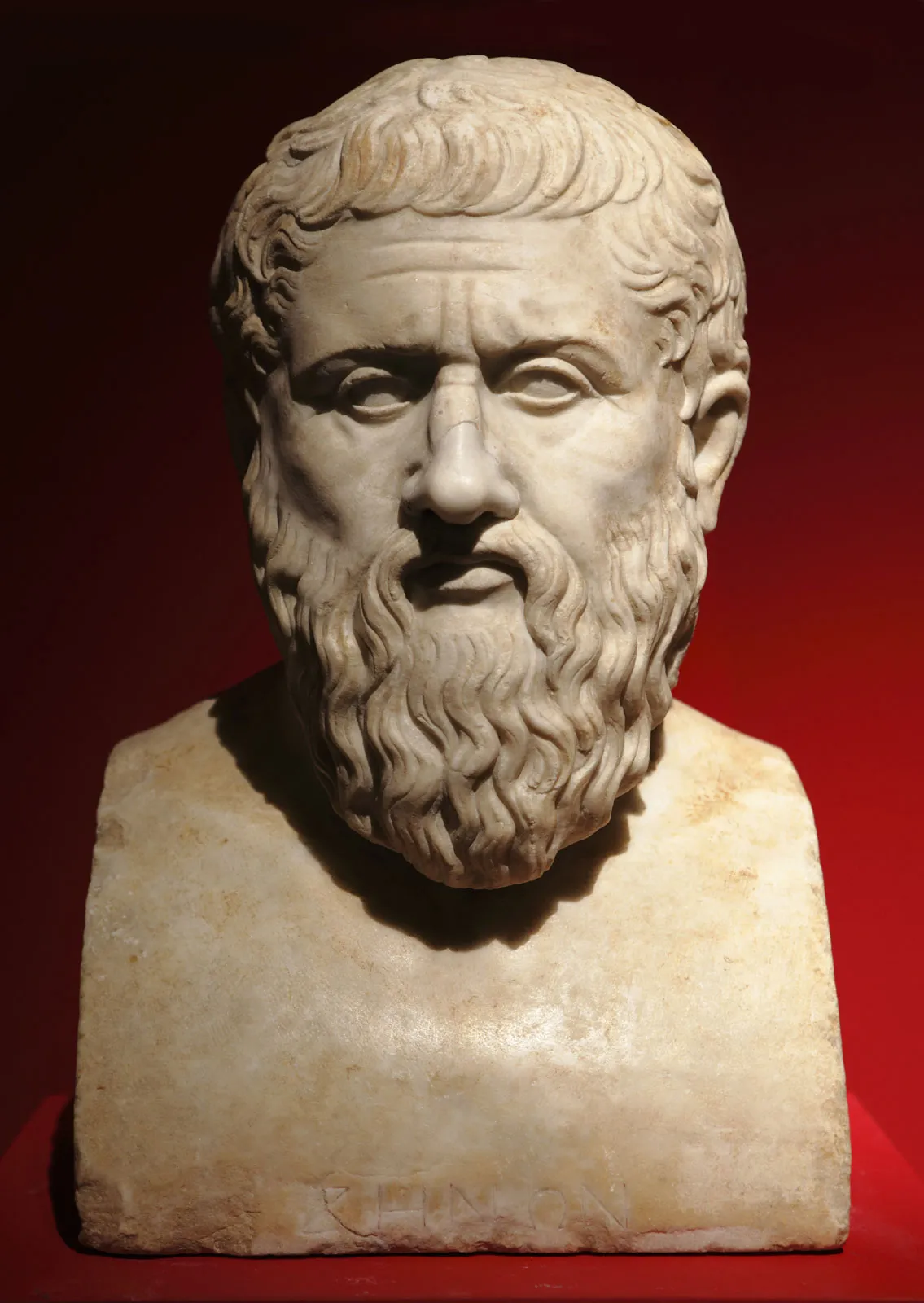
Mathematics Beyond the Mind: The Argument for Platonist Thought
Introduction Compared to the relativity of English and History, Mathematics has always been seen as a domain with clear truths. There is no subjectivity in Mathematics; there is just a right or a wrong. An inquisitive person would question what sets Mathematics apart from the overbearing reign of human subjectivity. The answer, a Platonist would
-
The Argument from Contingency
Like many debates in philosophy, the dispute over the nature/existence of God has no clear answer. In this particular argument, the ball lies in the court of the theist, giving them the chance to create a logical argument deriving God as a conclusion from justifiable premises. There are many ways theists have done this. Some,
-

Emergentism’s Explanatory Effectiveness
What is emergentism? My answer is that it is a big word for a not-so-big concept. Emergentism is simply the idea that the sum is greater than the parts. The common example goes: But who cares about water. This idea can be applied to so many things, like the table you are leaning on or
-
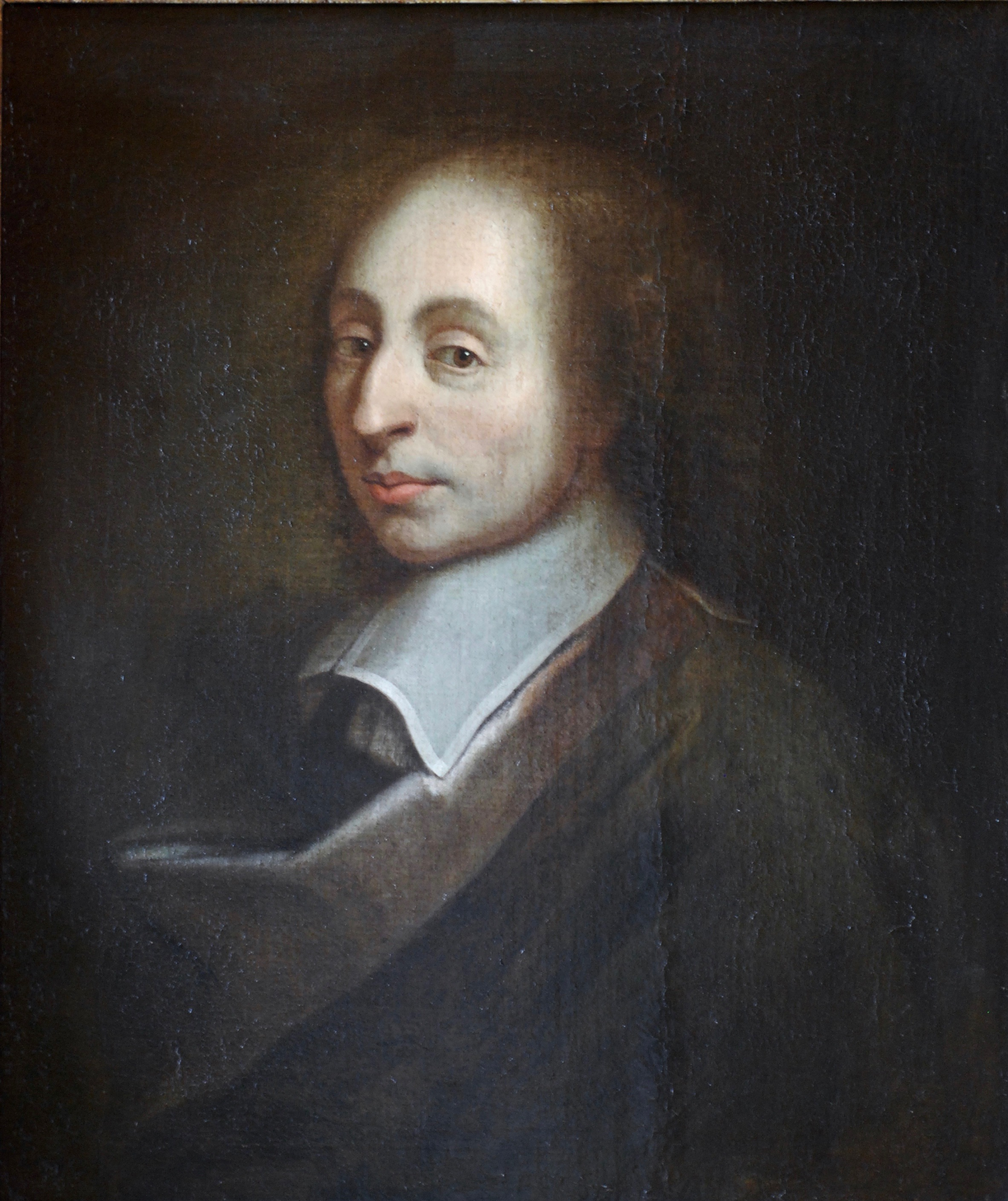
Pascal’s Wager
The French mathematician and philosopher Blaise Pascal had an argument about God. Unlike many of his predecessors, however, this argument was not one for God’s existence. It was an argument for why a rational person should believe in God. He called it Pascal’s Wager. The premises of the argument are simple. With these options, we
-
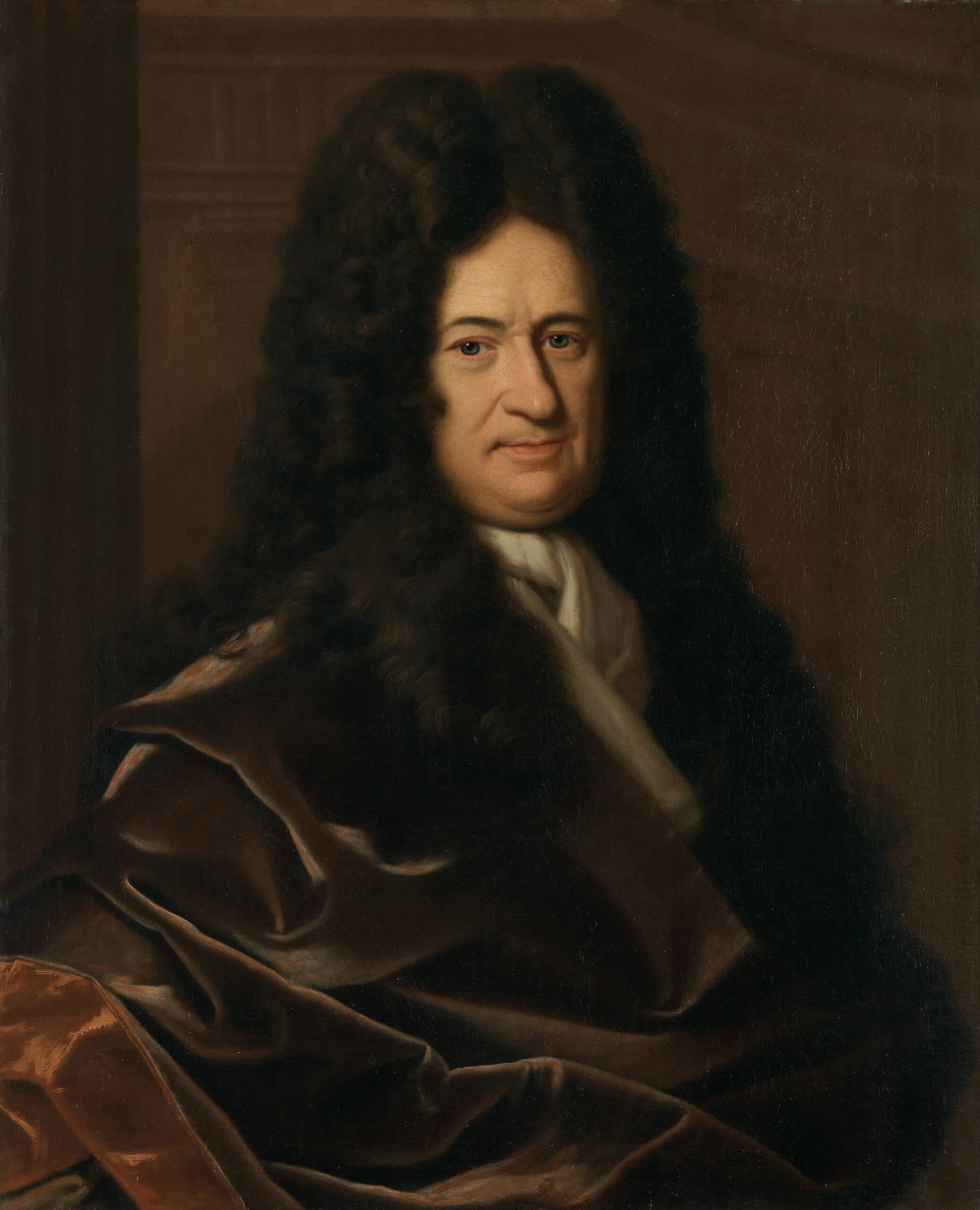
Leibniz vs Spinoza vs Anthropic Principle: Why is our World Made the Way it is?
I present in this article three conflicting views about how the world is made. Each view is plausible; however, some are more so than others. While Leibniz and Spinoza were 17th-century rationalists, the anthropic principle is relatively newer. As you can probably imagine, the older theories rely more on God/theology, while the anthropic principle is
-

Problems with the Problem of Evil
Disclaimer: I am Agnostic The problem of evil is one of, if not the, most famous arguments in philosophy of religion. It capitalizes on the common, Western understanding of God as a force that is omnipotent (all-powerful), omniscient (all-knowing), and omnibenevolent (all-good). If one accepts that their God embodies these three tenets, then the occurrence
-
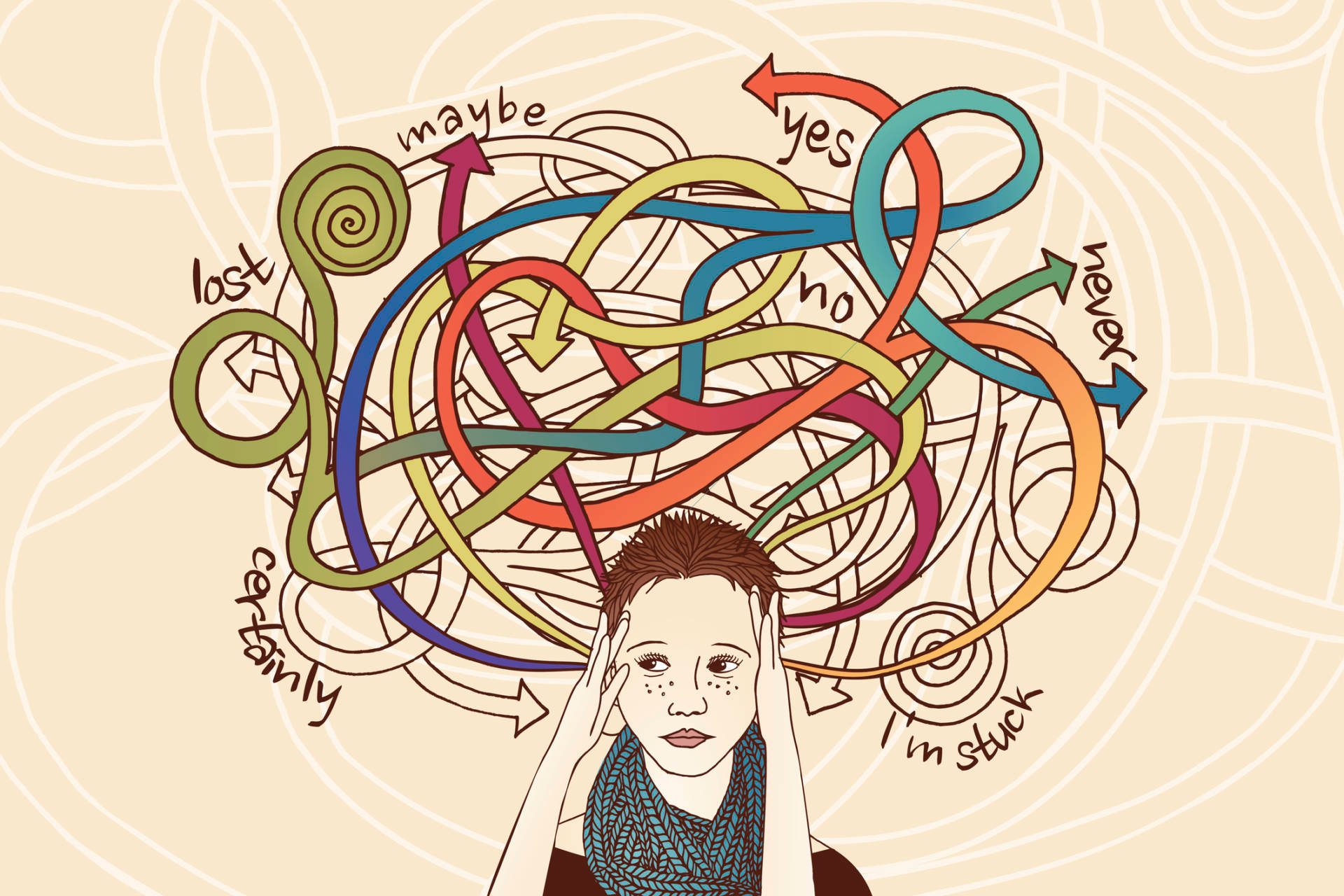
Epistemic Self-Doubt
Have you ever been trapped in a spiral of negative thoughts, where you suddenly doubt things you were certain of moments before? I think the vast majority of us have had this experience, in times not related to philosophy. Biologically, self-doubt has evolved as a form of risk management, a mechanism that ensures we check
-

Singer’s Drowning Child: Close but no Cigar
Peter Singer is perhaps the most famous currently-living philosopher. His views are vast, with implications in bioethics to universal poverty. Perhaps one of his most famous works is the Drowning Child thought experiment, in his 1972 book Famine, Affluence and Morality. The argument offers a very convincing reason for why we should live a more
-
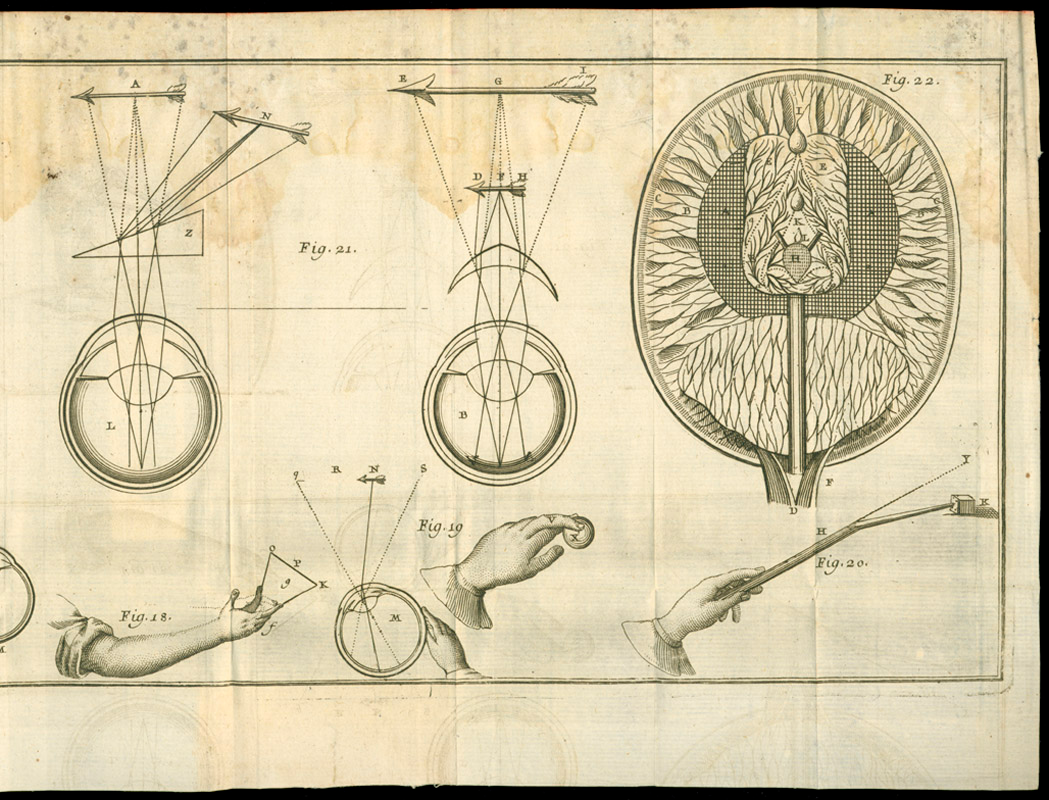
I Think, Therefore I’m….Not? What did Descartes Actually Prove?
One of the first ideas in philosophy people often hear is Descartes’ famous Cogito, Ergo Sum: I think, therefore I am. In this post, I’d like to dissect the phrase, offer its true meaning, and challenge Descartes on its overall implications for knowledge. I’ve discussed earlier in this blog how Descartes arrived at this landmark
-
Life Worth Living: Parfit’s Repugnant Conclusion
The mere addition paradox was a thought experiment devised by the late and great analytic philosopher Derek Parfit. The problem in population ethics pushes us toward a conclusion that seems deeply counterintuitive—so much so that Parfit famously labeled it “repugnant.” In this paper, I will attempt to show that while total utilitarianism succumbs to Parfit’s
-

Plantinga’s Ontological Argument
The ontological argument is often discarded as a relatively weak proof for the existence for God. While this is true, and some formulations such as Anselm’s can be immediately dismissed, stronger proofs do exist. Alvin Plantinga’s ontological argument is proof of this. Plantinga’s makes use of modality, or possibility, in conjunction with perfection to make
-
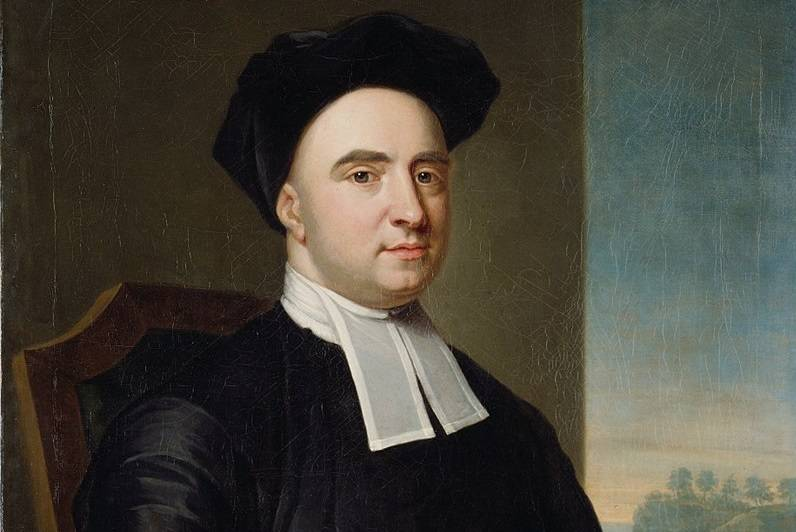
Mind Comes First: Idealism and the Hard Problem of Consciousness
“If a tree falls in the forest and no one is there to hear it, does it make a sound?” According to 18th century Irish philosopher George Berkeley, it most certainly does not. At first glance, idealism—or the concept that reality is made up of mind or consciousness—seems straight out of a fantasy book. In
-

Kant Stop Thinking Post #50: the Cheerful Doctrine of Antinatalism
In honor of the 50th post on this blog, I’ve decided to write about a topic each one of us has vividly encountered in our lives: antinatalism. Antinatalism, put briefly, is the philosophical idea that bringing life into the world is downright unethical. That’s right: all of us were wronged when we were placed into
-
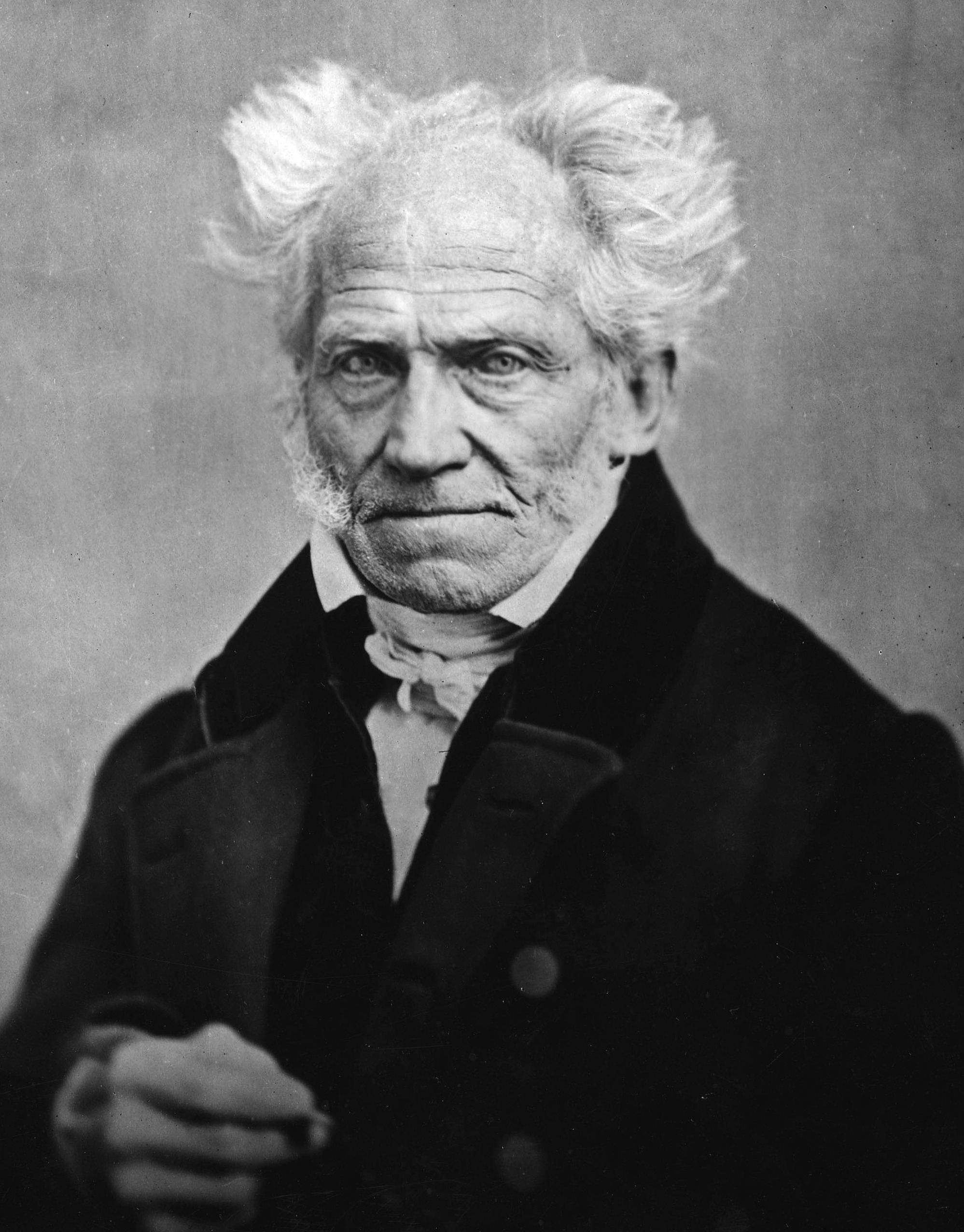
Comparison is the Thief of Joy: The World as Will (Schopenhauer)
Like so many great thinkers, the German philosopher Arthur Schopenhauer was largely unknown and unpopular. His greatest work, The World as Will and Representation, was developed as both a continuation and critique of the works of his predecessor, Immanuel Kant. If you haven’t already read my article on Kant’s Transcendental Idealism, it might be helpful
-
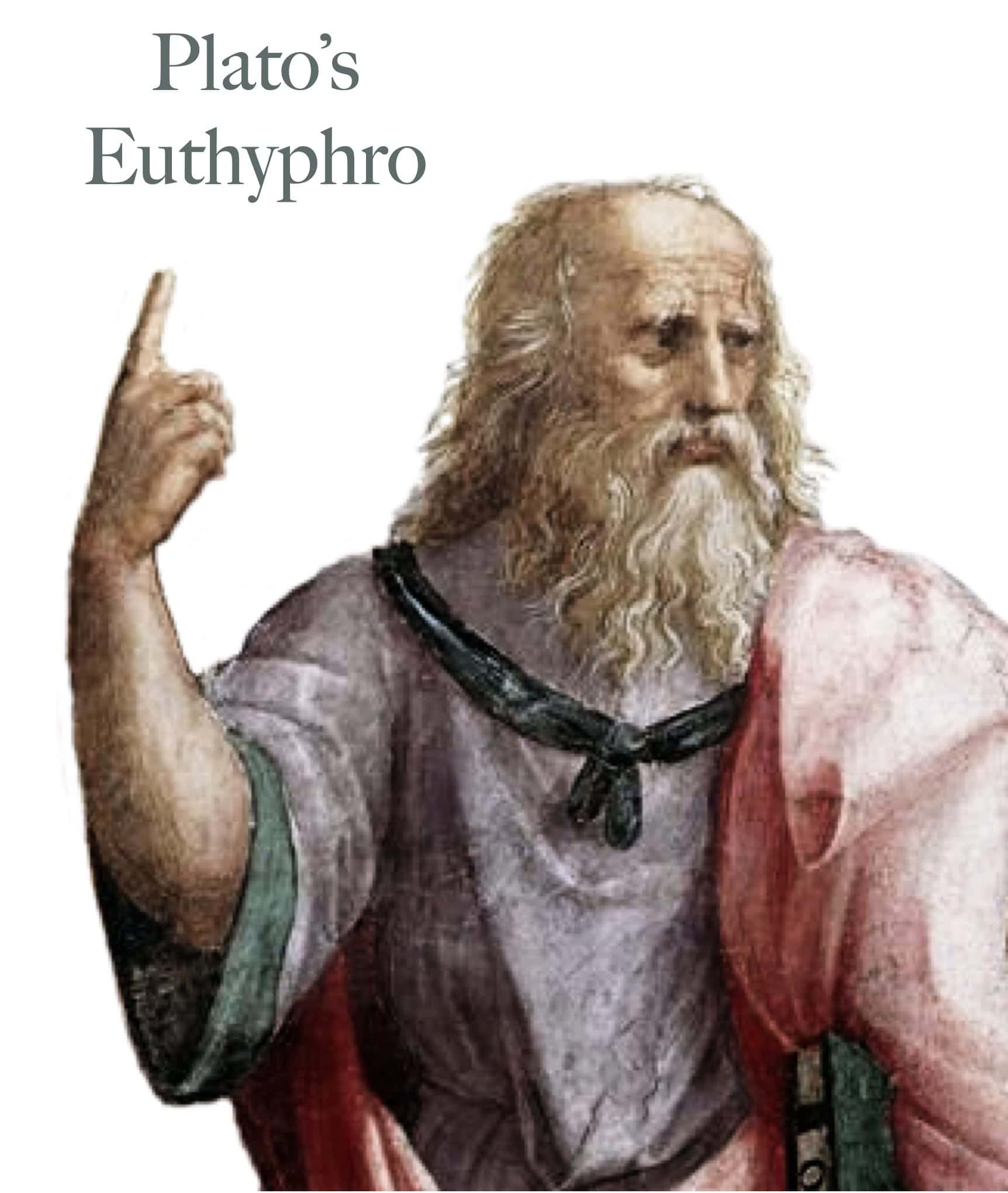
Plato’s Euthyphro: What do we Define as Good?
Meet Joey. Every day, Joey’s mom drives him and his sister to kindergarten. As Joey jumps out of the car, his extremely religious mother tells Joey and his sister to “be good people.” Joey takes his mom’s advice: he says his pleases and thank-yous, avoids conflicts, and manages his time well. His mother continues to
-
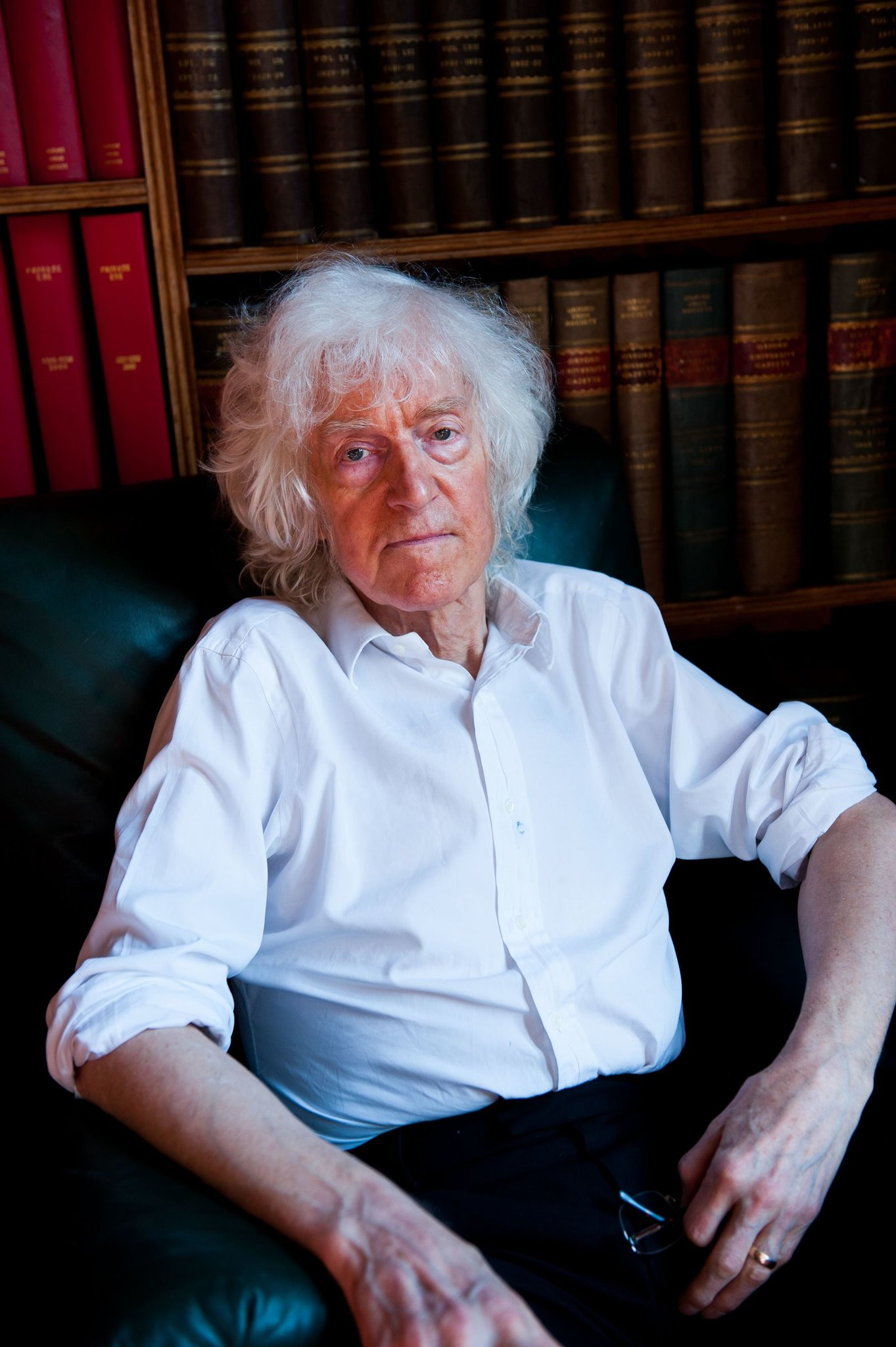
Evading Parfit’s Trap: The Non-Identity Problem Revisited
Derek Parfit’s non-identity problem is one of the most famous in the branch of philosophy called population ethics. In short, Parfit challenges the commonly held belief that present day actions can harm future generations. Here is how Parfit does it: The Problem Premise 1: If an action determines existence, there’s no alternative where that same
-
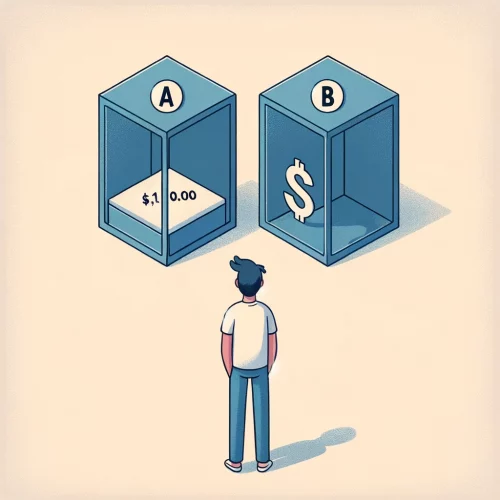
Prepare for the Predictor: Why One-Boxing Wins Newcomb’s Problem
“If you fail to plan, you are planning to fail” -Benjamin Franklin The Problem Newcomb’s problem is one of the most famous problems in the branch of philosophy, probability, and mathematics called decision theory. What’s even more interesting, in my opinion, is that contemporary philosophers are nearly split down the middle between one-boxing and two-boxing.
-
Pneuma’s Panpsychism
Tool is an alternative metal band that I’ve loved since 8th grade. One of my favorite tracks by them (after “Jambi” and “Sober”) is “Pneuma”, an 11 minute and 53 second behemoth of a song. For some backstory, “Pneuma” is the second track off Tool’s fifth studio album Fear Inoculum—their first album since 2006. A
-
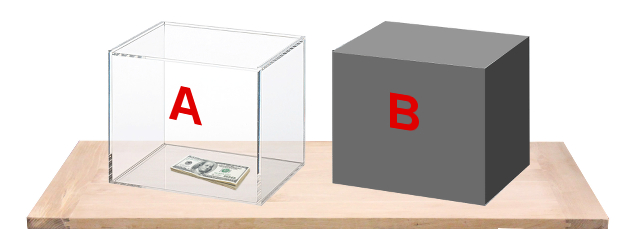
Newcomb’s Paradoxical Problem
Newcomb’s problem is one of the most famous problems in the branch of philosophy, probability, and mathematics known as decision theory. What’s even more interesting, in my opinion, is that contemporary philosophers are nearly split down the middle on the answer. Here is the paradox, taken from the Stanford Encyclopedia of Philosophy: “An agent may
-
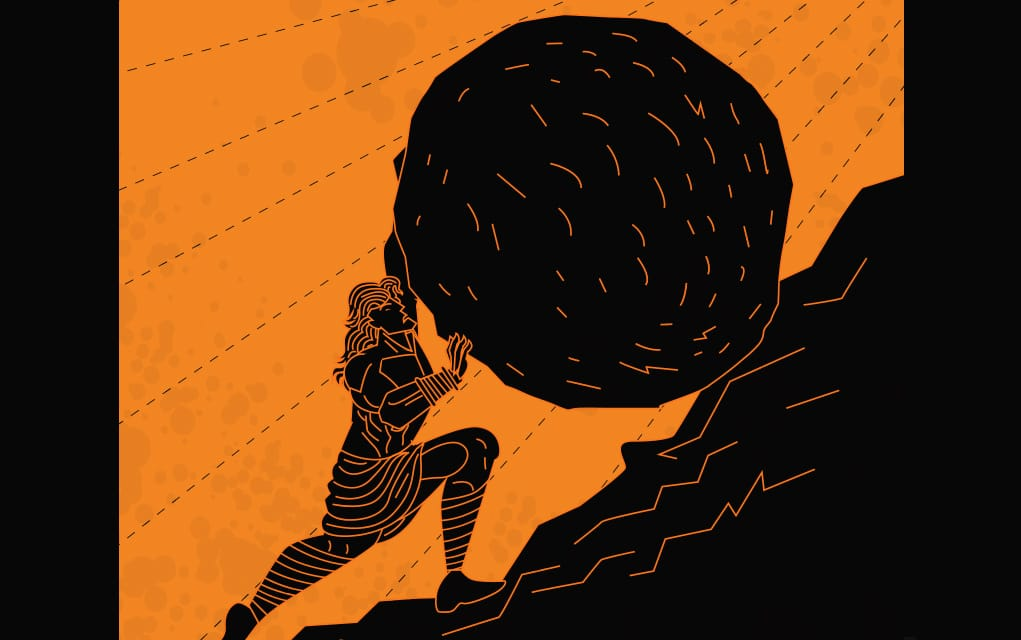
The Joy of Suffering
Suffering is an essential part of the human condition. From physical pain to emotional anguish, every human is bound to undergo suffering sometime in their life. Although suffering is often perceived as a grave but unavoidable fact of life, a world without suffering is much more terrifying. Without the trials and tribulations I endure in
-
An Ontologically Parsimonious Argument for the Universe’s Inception
Intro As far as I can tell, the cosmological argument remains the sole most convincing argument for God’s existence. Whether in William Lane Craig’s Kalam or Leibniz’s contingency form, both pose God as the unmoved mover, a being whose existence is necessary in order for the universe to be explained. Both arguments also make some
-

On Reason, Emergence, and Exploration: A Path Towards a Meaningful Life
Exploration is our duty. Inside each of us is the astronomer staring up at the sky, pondering if celestial beings lay above. Inside each of us is the man on the frontier, slogging his wagon on its rusty axle across swamp and mountain, through sleet and desert. In the common day, these men are relics
-
A Illogical Skeptic Argument
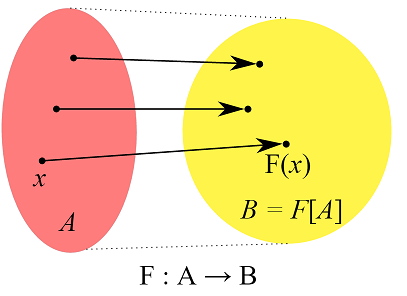
I’d like to talk about the skeptic argument, which attempts to show that true knowledge is impossible. I think that (a) the conclusion really shouldn’t be as crazy as we think and (b) the argument doesn’t rule out all types of knowledge. First of all, let’s go through a standard version of the argument against
-

The Non-Identity Problem (Parfit, 2/2)
In yesterday’s post, I talked about the paradoxical non-identity problem, which leads to the absurd conclusion that some immoral actions, like purposely polluting the planet or attempting to give your child a horrible disease, actually cause little harm. In case you forgot, here is the standard layout of the argument: An action only harms a
-

The Non-Identity Problem (Parfit, 1/2)
Let’s talk about Joe and Josh. Both are 15-year-old teenage boys, but unfortunately, their childhood years have been plagued by countless surgeries and hospital visits. Both have rare cases of cystic fibrosis, and it is unlikely that their conditions will be cured in the near future—both will continue to lead lives of pain and struggle.
-

Philosopher of the Day: Boethius
Boethius was a 6th-century Roman philosopher best known for his work The Consolation of Philosophy. Interestingly, Boethius wrote this work while in prison. He was imprisoned under the charge of treason by the Ostrogothic King Theodoric and was awaiting execution. His text was written with the purpose of finding intellectual and spiritual consolation in the
-
Would you Still Love me if I was an Alien?
Your girlfriend of 10 months tells you she has some news. She looks scared: “I’m pregnant,” you fear she says, yet the truth is much worse. She tells you that she was born on a colony on Mars—and thereby has alien DNA. You freak out, tell her to leave, block her number, and ghost her.
-

Argument from Design (for God’s Existence)
Also known as the teleological argument, the argument from design is one of the most popular proofs for God’s existence. I’ll recount a version I saw on an instagram street interview. For background information, the street interview involved an atheist in a jacket and another man, a preacher, who attempted to prove God’s existence to
-
What is Personal Identity? (2/2)
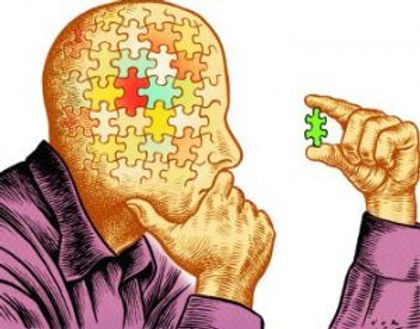
This is the second part of a two-part series focused on personal-identity—what it is and how we can define it. In the first article, we recapped that identity cannot be tied to something merely physical, and therefore there must be some mental component that engages in the construction of the personal identity. We also covered,
-

What is Personal Identity? (1/2)
In this article, I’d like to talk about an interesting topic in contemporary philosophy. Let’s dive right in. Who are we? Some answers someone may throw out are: While descriptive, none of these answers prove sufficient for the question. I asked what we are, not how we relate to other people. We are only brothers
-
Panpsychism: Close, but no Cigar (1/2)
As I covered yesterday, scientists and philosophers alike struggle broadly to define a conception of the relationships between consciousness and the world. Materialism, or the theory that mental processes arise from purely physical elements, has been widely critiqued. Likewise, mind-body dualism, similar to what Descartes radically proposed in the 17th century, deals with its own
-
Cosmological Proof for God’s Existence (Descartes)
Descartes’ version of the Cosmological Argument is referred to as the stronger of his two arguments. There are countless different cosmological arguments for the existence of God, dating back to the ancient Greeks. Some types are still being debated today. What these arguments have in common is a reference to the principle of causality. It
-

Against the Doctrine of a Tribal False God
A high-effort post in defense of the Marcionite Faith.
-

The Paradox of Akrasia, or Weakness of Will
We all know the feeling. You have homework due the next day, but you’ve been binging Stranger Things on Netflix. You know that you have to complete your homework, and that there are tangible consequences if you don’t, yet you still decide to watch Stranger Things. Why? You seem to be acting irrationally, but you
-

Determined to be Indeterminate: 3 problems with Determinism
If you’re anything like me, the classic free will/determinism debate was the thing that drew you into philosophy. I wrote my first-ever philosophy paper about the debate, but I can’t read it now because it’s logically incoherent. However, I’m glad that I wrote that first paper. It provided a raw analysis of what my gut
-

Russell’s Paradox (1/2)
This spring, I wrote a research paper defending Mathematical Platonism, or the view that numbers exist outside of the mind. Numbers are abstract entities that exist in some non-mental and non-physical realm that we access through reason, not perception. A large part of my argument relied on the reductionist approach that math could be reduced
-
Ontological Proof for God’s Existence (Descartes)
After proving the existence of his mind, Descartes figures that the next logical thing to prove is the existence of God. He does this in two ways. I will explain one of them here, and then provide arguments against it. I’ll explain the other, much more complicated one later, when I better understand it. Descartes’
-

Why Seth Is More Than Just a Name in a List of Patriarchs
When most of us think of the most important Christian figures, we think of Jesus, Abraham, Adam, Eve, Peter, Noah, Mary, Joseph, and John the Baptist. The list goes on and on but often does not include one of the most deserving candidates: Seth. Seth was the third son of Adam, the replacement of Abel
-
Descartes’ Radical Doubt
17th century philosopher and mathematician Rene Descartes has one of the most famous one-liners in all of philosophy: “I think, therefore I am”. But how did Rene Descartes get to this revolutionary conclusion? The answer lies in a 6 part book titled The Meditations. Descartes was a rationalist, meaning he saw reason as the chief
-
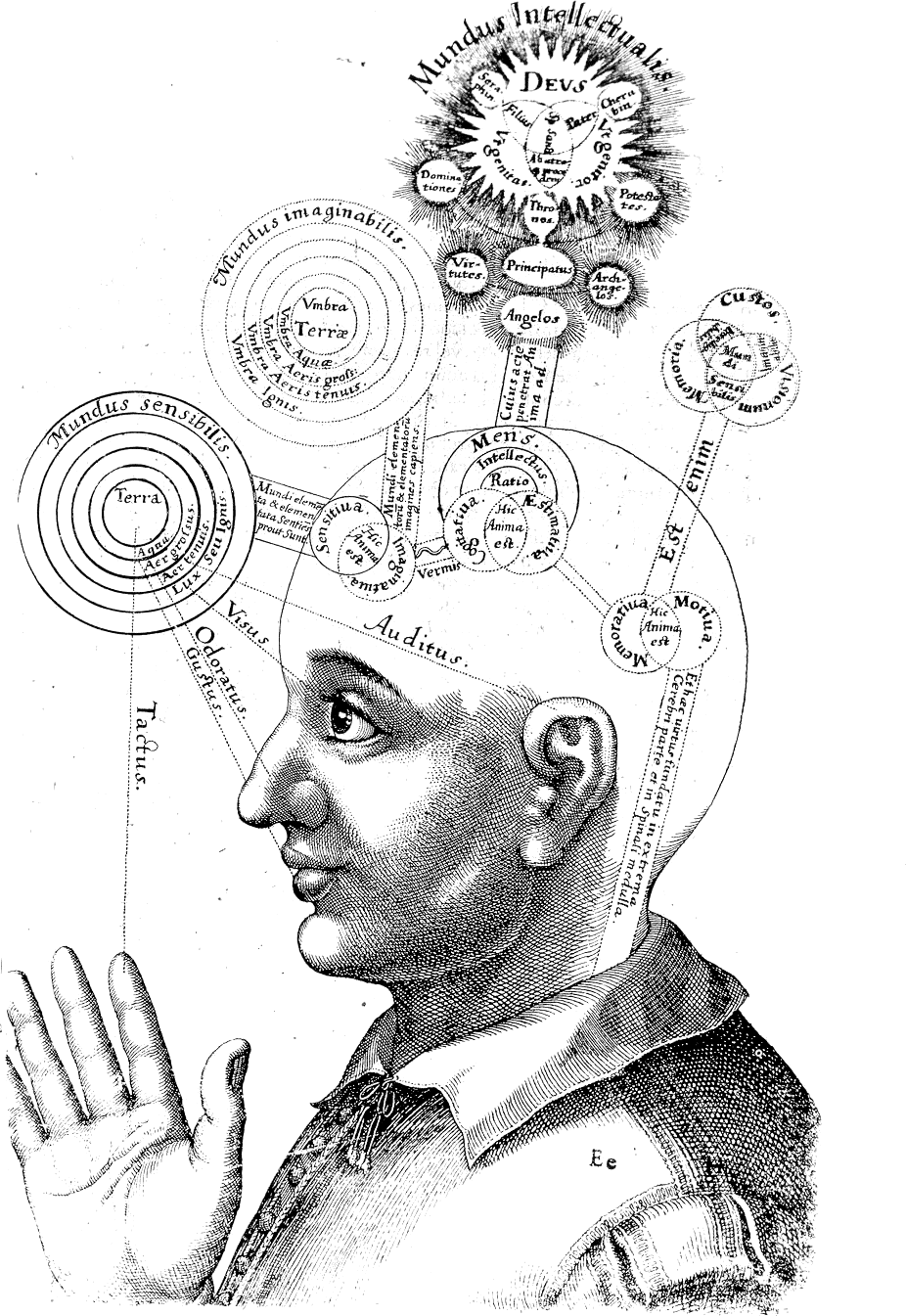
Mind Body Dualism (Descartes)
After proving with the Evil Demon thought experiment that his thoughts were the only things that he could be certain of, Descartes extrapolated the concept against the Monists. If Descartes could only be sure of the existence of his mind, how could his mind and body be one? It did not make sense, which led
-
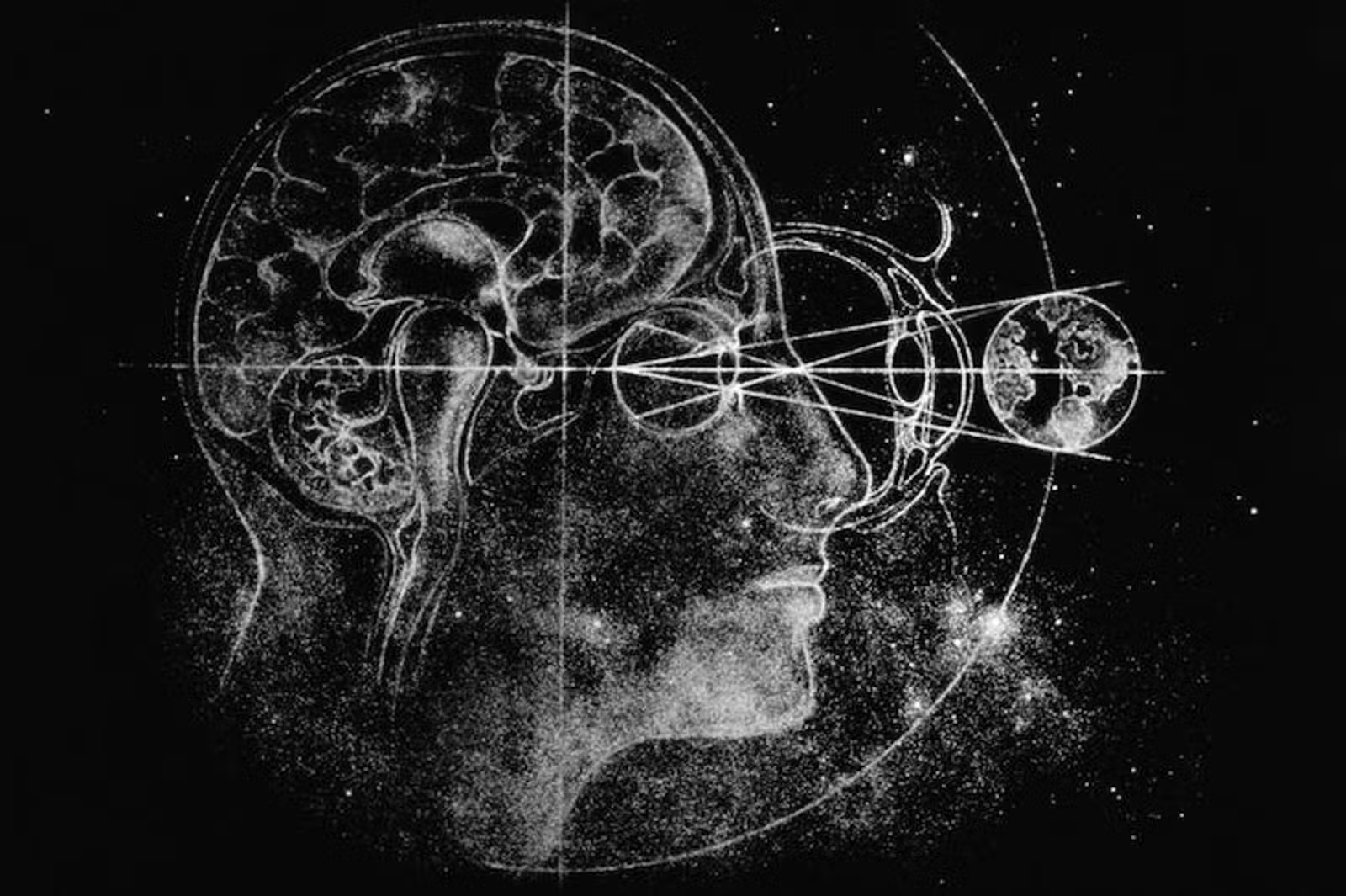
Boltzmann Brains & Simulation Theory
The ideas of Boltzmann Brains and Simulation Theory are interesting concepts that seem both logical and completely impractical at the same time. They’re funny brainteasers that, while impossible to disprove, can be thought about—and then discarded. Nonetheless, they’re worth sharing. Boltzmann Brains were a thought experiment proposed by Austrian physicist Ludwig Boltzmann. Before diving in,
-

Actualism vs Possibilism in Ethics
There is an age-old debate with regard to ethical decision making. It goes like this: suppose there is a teacher—Mr. Gray—who is asked to write a letter of recommendation for an amazing student of his, Asher. Mr. Gray is faced with three options: he can A) accept Asher’s request and write the letter, B) accept
-

Philosophical Zombies: a Short Argument Against Physicalism
Physicalism is the somewhat outdated theory that everything we do or experience can be reduced down to physical components. The physicalist would believe that consciousness can be explained purely through physical matters. In other words, there is no mental component accompanying consciousness. An important term in the this discussion is what philosophers refer to as
-
You’ve heard of Cultural Relativism. But what about Temporal Relativism?
If you’ve ever talked about morality, there is a good chance you’ve heard the terms moral relativism or cultural relativism. Moral relativism is the overarching stance that morality is relative, i.e., one cannot declare that certain actions are immoral (like killing). Cultural relativism takes this to an extreme, stating that morality can only be judged
-

Advertisements: a Fine Line between Manipulation and Money
Consider the last sports game you watched. Off the top of your head, what percent of the advertisements preached a product that is known to be unhealthy for you? Social Media? Coors? Smoke products, fast food, weight-loss drugs? Consider the last time you scrolled on social media. How many advertisements were there? If you can’t
-

The Hard Problem of Consciousness: Does Science have Limits?
Modern-day philosophers are faced with two significant problems: that of the hard problem of consciousness, and that of the hard problem of matter. Although the first is more well-known, both wreak havoc on any current understanding of the universe. In this post, inspired by the incompatible theories of panpsychism, materialism, dualism, and functionalism, I will
-

The Road Less Traveled: The Case for a Metaphysical Soul
Two roads diverged in a wood, and I— I took the one less traveled by And that has made all the difference Robert Frost, “The Road Not Taken” Intro Life is essentially a long string of decisions. We do not choose where we are born, what we look like, or how we are raised. Despite
-
Critique of the Categorical Imperative
Disclaimer: Read The Categorical Imperative before reading this. Kant’s Categorical Imperative offers a reason-based way to make the right decisions within its formulations. However, there are some clear issues with solely relying on the CI. If we remind ourselves of the first rule of the CI, that one should not do any act that could
-

Raven and Curry’s Paradoxes
Today I will be talking about two interesting logical paradoxes. Both are completely irrational, yet derivable, and continue to pose problems to the philosophy of science. Let’s dive right into them. Raven’s Paradox: Suppose you want to prove the hypothesis “all ravens are black.” However, logically, this belief is equivalent to the statement: “all non-ravens
-
The Categorical Imperative
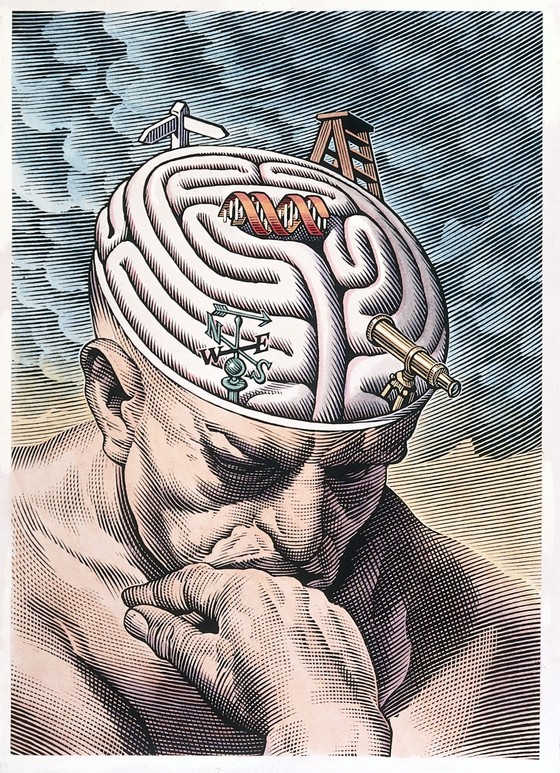
Kant thought that morality must be defined in reason. To do this, he emphasized the only thing that humans actually have control over—the intentions, not the outcomes, strictly rejecting a consequentialist approach. Kant’s ethics, widely referred to as deontology, means duty based ethics. This implies that a deontology-based ethical approach emphasizes a duty that moral
-
The Puzzle of Retributive Justice
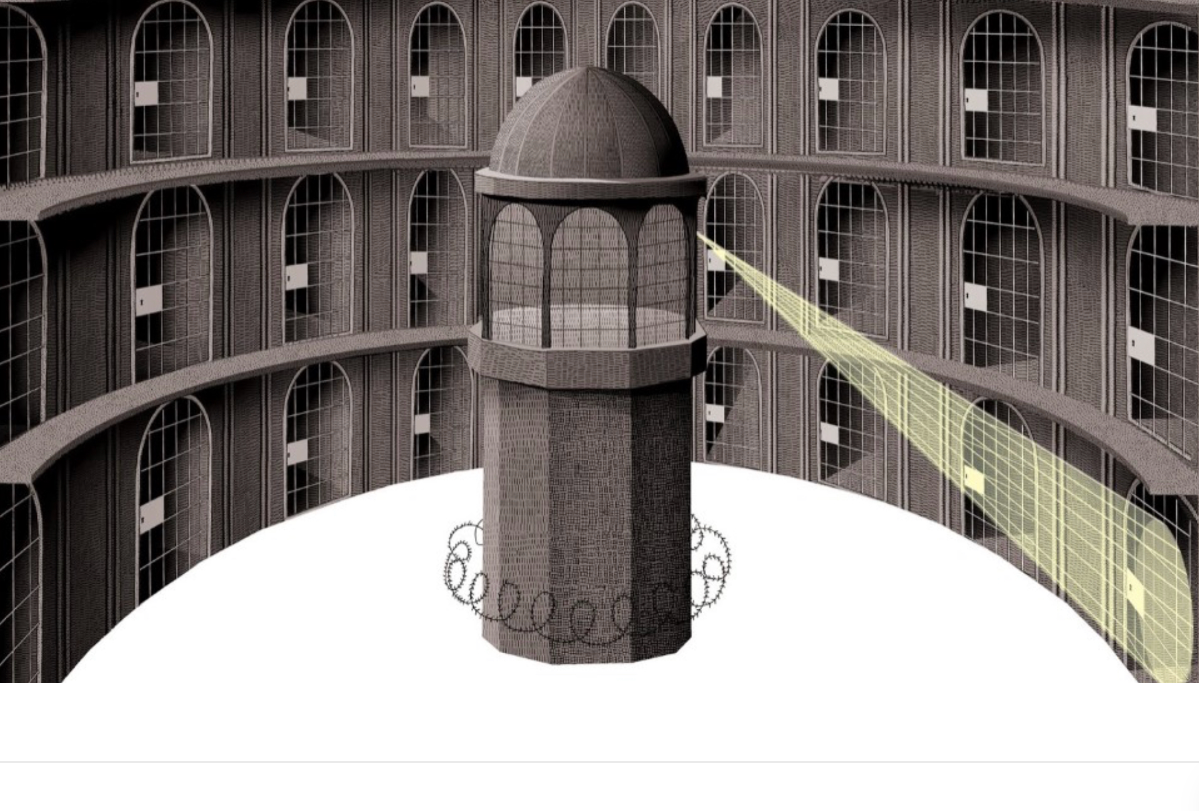
One of the first things we are taught about justice is the phrase “an eye for an eye.” The phrase, which dates back to Hammurabi’s Code in 1750 BCE, is an example of retributive justice: the intuitive theory that those who have done wrong deserve to be repaid in kind. Instinctively, most of us agree
-
Kant’s Transcendental Idealism
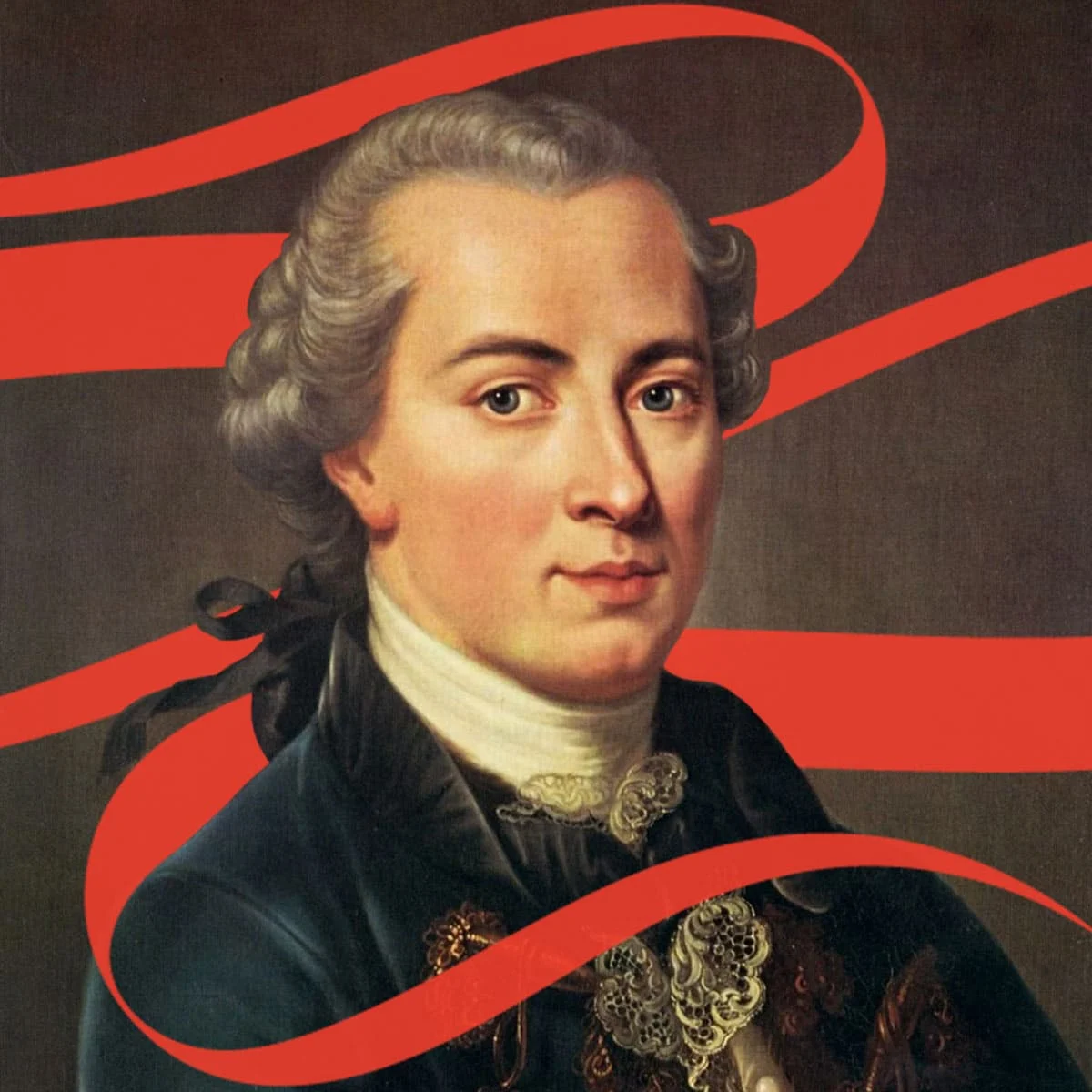
The Prussian Immanuel Kant was a groundbreaking philosopher. Kant’s metaphysics was monumental in that it provided system of thought that bridged the gap between the combating views of his time. Metaphysics-wise, my best interpretation of Kant’s transcendental idealism is that it mixed the views of the empiricists, who thought that the only perception of the